
How to Acid Wash a Swimming Pool Without Draining - United Chemical

How to Acid Wash a Swimming Pool Without Draining

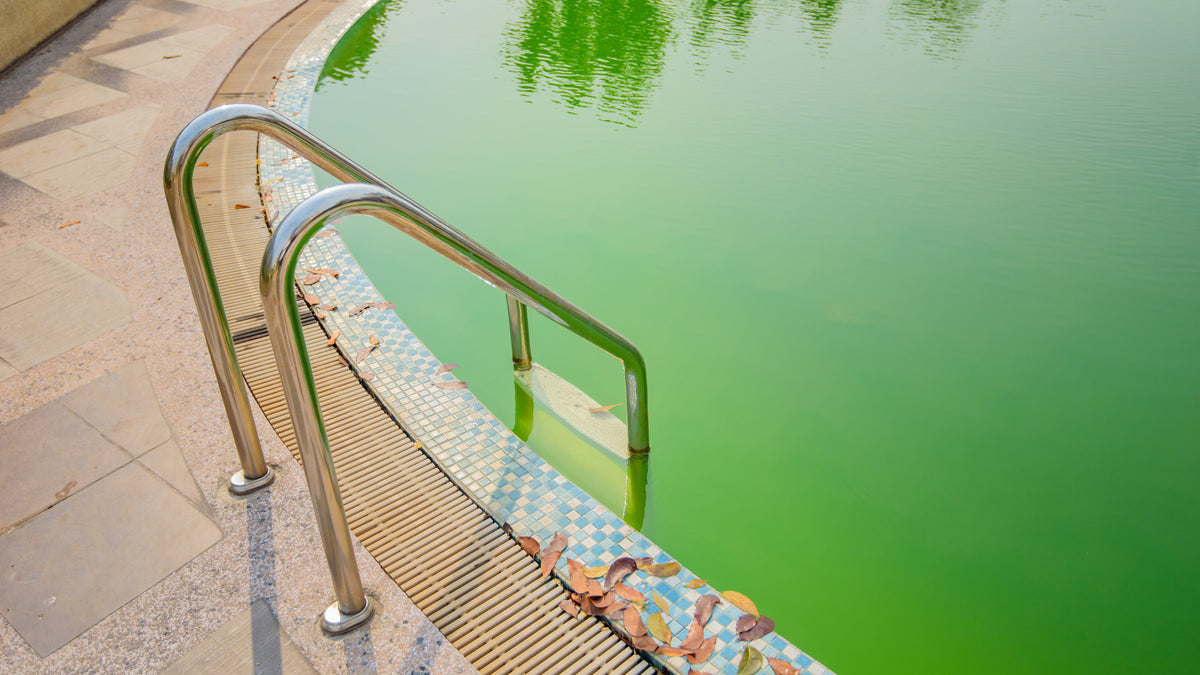
Over time pools develop stains. At a certain point you may consider acid washing your pool to freshen up your surface. Traditional acid washing is difficult, expensive, and can damage the surface of the pool. Here we give you a step-by-step guide on how to acid wash your pool without draining.

When is an Acid Wash Warranted?

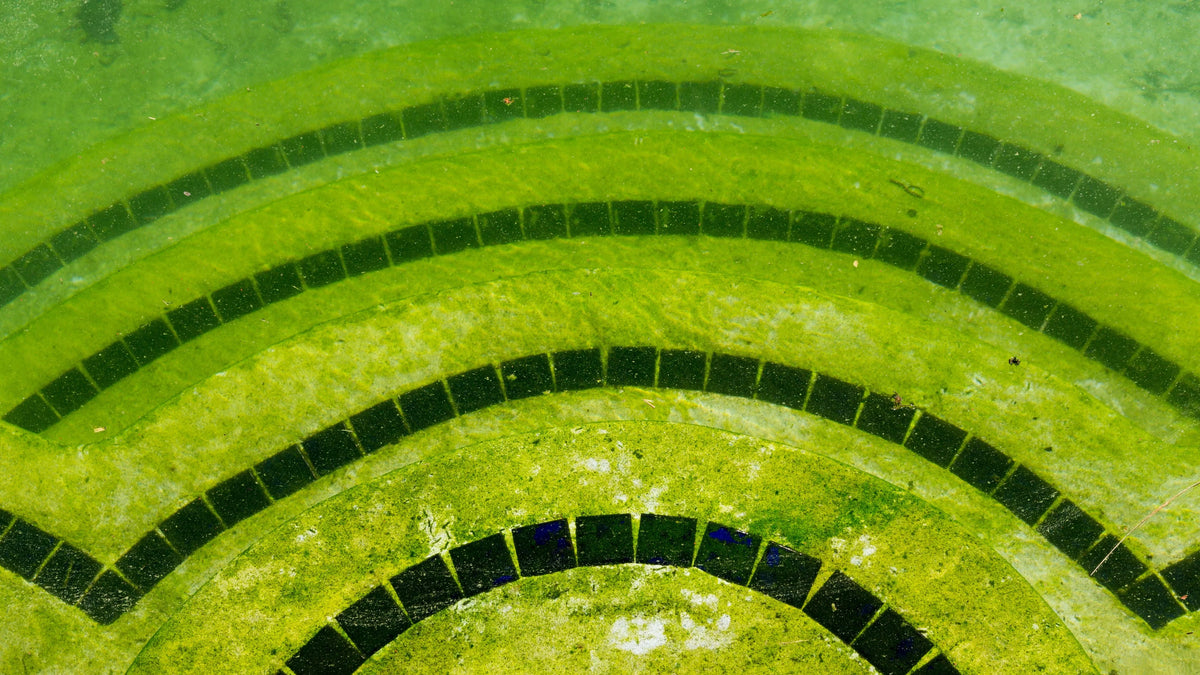
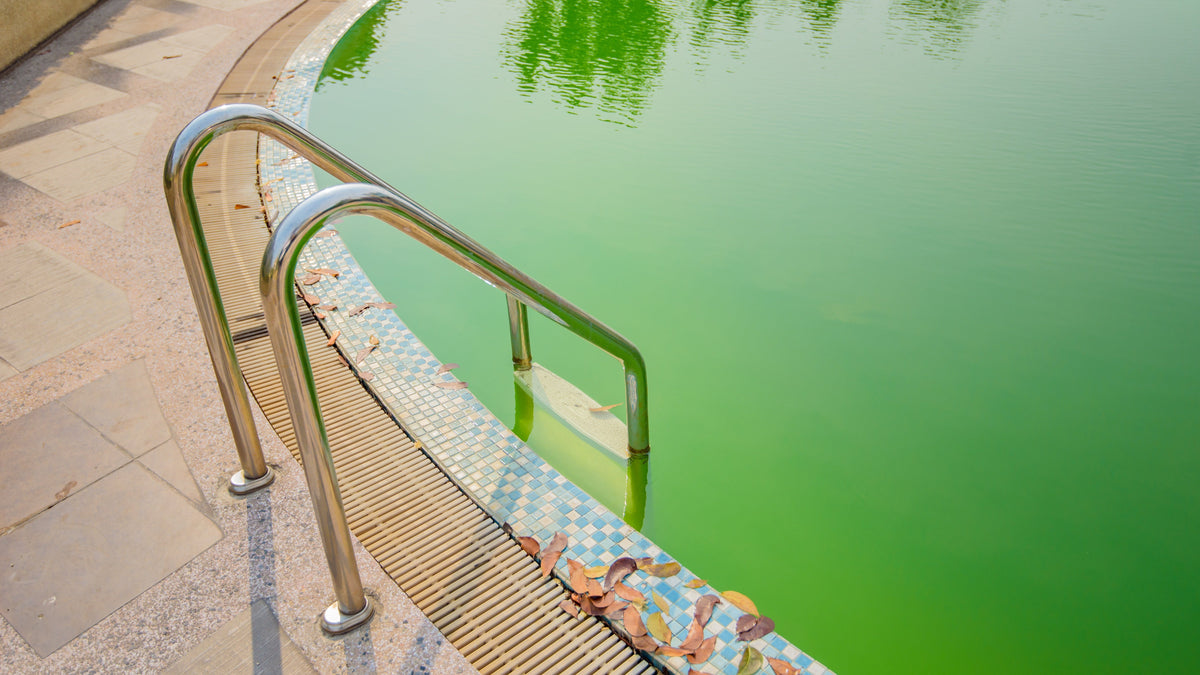
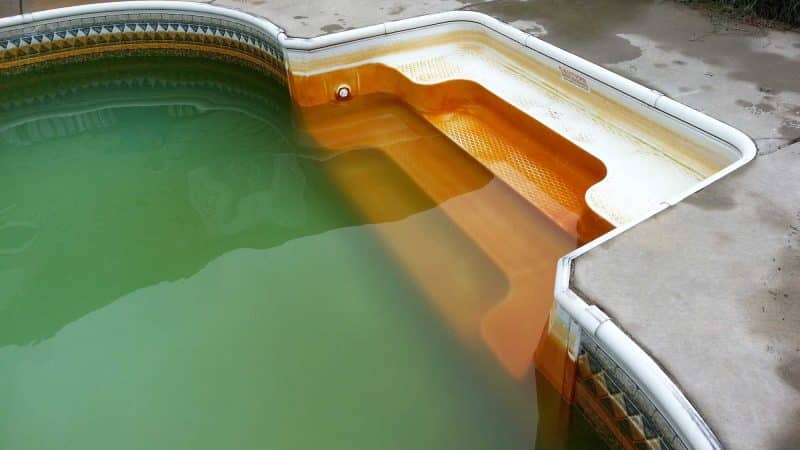
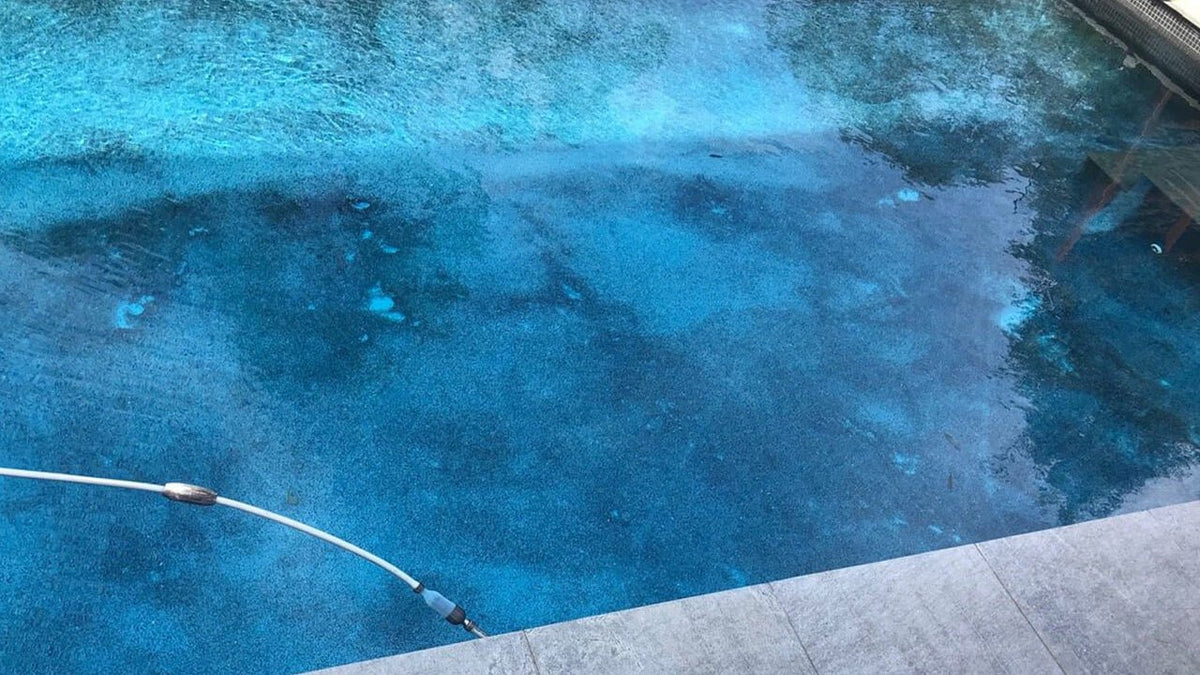
Acid washing is typically reserved for aggressive cosmetic restoration. It is the go-to solution when your plaster has accumulated heavy mineral deposits, widespread metal staining, or organic discoloration that regular maintenance and shock treatments cannot remove. Think of it as a “reset button” for your pool’s surface.

Traditional vs No Drān®Acid Washing

Historically, a traditional acid wash required completely draining the pool to scrub the surface with harsh acid—a process that wastes thousands of gallons of water and risks structural damage to your plaster or pool shell.

A No Drān® acid wash achieves similar results by adding specific stain-fighting agents directly to the water. This method uses your pool’s body of water to lift stains safely, evenly, and effectively—eliminating the dangers and costs associated with draining your pool. The result is a smoother, more even look for your pool’s surface.

Step-by-step

01

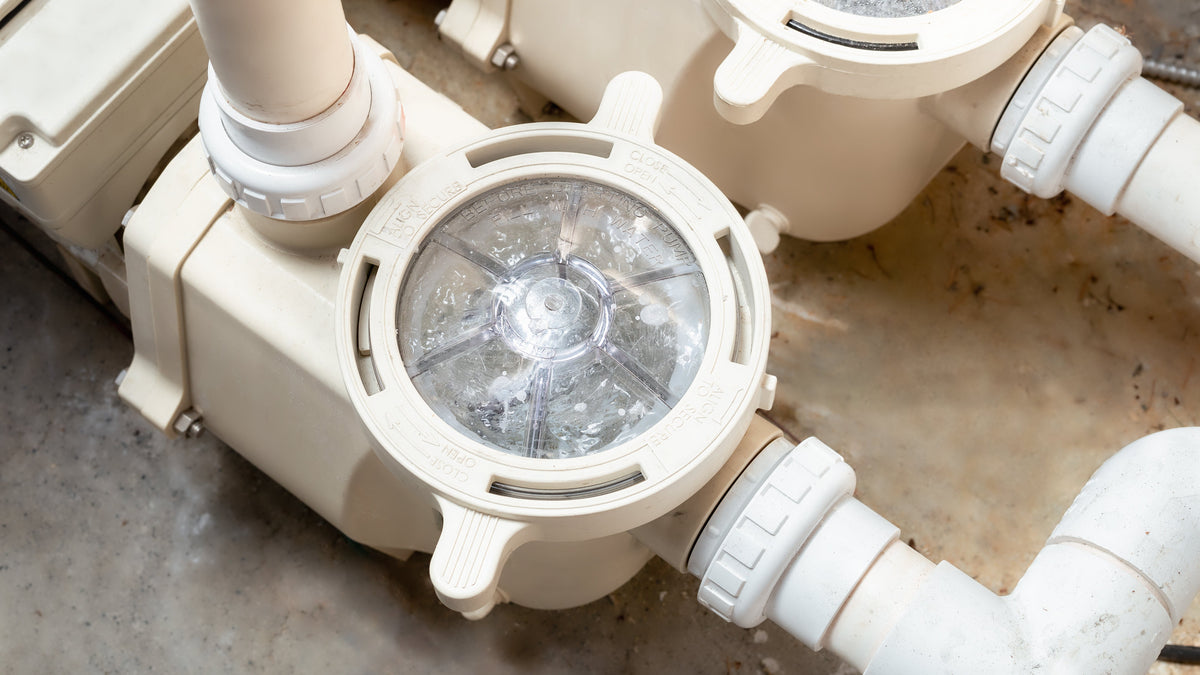
Turn off the pump

Turn off your pump system and bypass the timer. Do not turn the pump back on until your pH is above 7.2.
Turn off the pump
02

Protect metal fixtures with Petroleum Jelly

Use petroleum jelly to cover any metal fixtures (such as pool rails and pool light rims) in the pool. This will prevent them from oxidizing (discoloring).
03

Add No Drān Acid Wash

Add 2lbs of No Drān® Acid Wash per 5,000 gallons of pool water by dissolving it in a clean bucket of water and pouring it evenly around the pool's perimeter.
Add No Drān Acid Wash
04

Drop Alkalinity to Zero

Drop the Alkalinity to zero by using a combination of dry acid - such as No Mor Muriatic Acid - and liquid acid for the final adjustment. You will need to add approximately 1 gallon of acid or 2.5 lbs of No Mor Muriatic Acid per 1,600 gallons of water, depending on the alkalinity level. Amounts may vary, but the alkalinity must reach zero.
05

Brush the pool

Brush the entire surface of the pool.
Brush the pool
06

Test Alkalinity 24 hours later

The next day, test your Total Alkalinity and add acid as necessary to keep the Total Alkalinity at zero (0). For every 10ppm of Total Alkalinity, add 1 gallon of Muriatic Acid per 15,000 gallons of pool water.
Test Alkalinity 24 hours later
07

Brush and Test Alkalinity Every Day

Start each day by testing the pool and adding the necessary acid to maintain zero alkalinity. Then brush the entire surface.

You will repeat this every day until one of the following:
- the stains are gone
- the plaster feels "slimy"
- the 6th day of treatment.
08

Raise pH.

Raise the pH using Easy pH Up™ or Sodium Bicarbonate (Baking Soda).

Soda Ash is not recommended, as it may trigger clouding and staining.
Raise pH.
09

Raise Alkalinity

Fine-tune the Alkalinity using Baking Soda. Do not use soda ash as this triggers stains and clouding.
10

Raise chlorine slowly.

Raise the chlorine reading slowly, avoiding increases of more than 5 ppm per dose per day. Larger doses may trigger staining. Refer to your chlorine manufacturer for dosing isntructions.
11

Add No Mor Stain and Scale

Use No Mor Stains & Scale™ weekly to keep the pool free of stains.
Add No Mor Stain and Scale

Leave a comment

All comments are moderated before being published.

This site is protected by hCaptcha and the hCaptcha Privacy Policy and Terms of Service apply.