

The Identity Crisis: It’s Not Just “Algae”
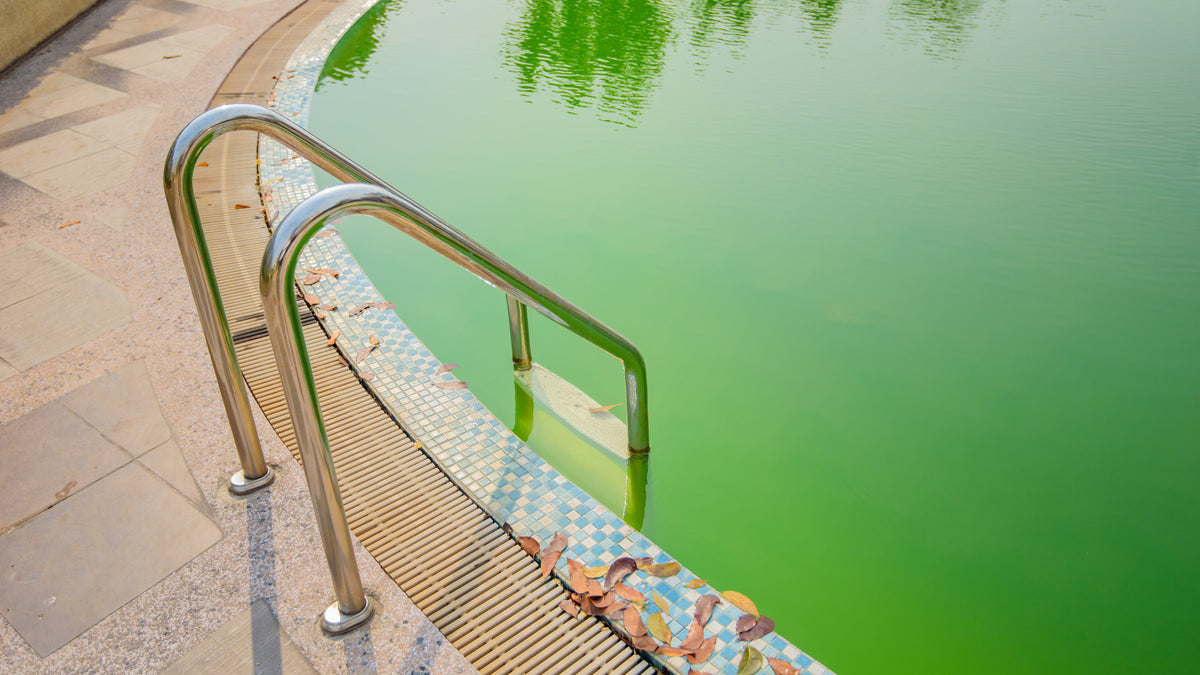
To defeat the enemy, you have to understand precisely what it is. While we group it with green algae, Mustard Algae is evolutionarily distinct. It belongs to a group of organisms called Stramenopiles.
Unlike Green Algae ( Chlorophyta ), which is essentially a floating plant that relies on sunlight, Mustard Algae is a complex survivor that behaves very differently:
- The “Clouding Effect”: When you brush Green Algae, it smears. When you brush Mustard Algae, it disperses instantly into a yellowish cloud like smoke, only to settle back down hours later.
- The “Shadow Dweller”: While Green Algae loves the sun, Mustard Algae is photophobic (shade-loving). It prefers to hide on south-facing walls, behind ladders, and inside light niches where UV rays can’t reach it.
The Biochemical Shield: Why Shocking Fails
This is where the science gets fascinating—and frustrating for pool owners.
Most pool pros know that Black Algae protects itself with a physical slime layer (biofilm). Mustard Algae doesn’t do that. It doesn’t need a bunker because it has a chemical weapon.
Mustard algae possess high levels of antioxidant enzymes, specifically catalase and superoxide dismutase.
Here is what happens when you pour liquid chlorine (shock) into a pool with Mustard Algae:
- The chlorine approaches the algae cell to oxidize (kill) it.
- The algae release their antioxidant enzymes.
- These enzymes “detoxify” the chlorine, effectively neutralizing the sanitizer before it can cause lethal damage to the cell.
You aren’t failing to shock the pool; the algae is essentially “eating” your shock. Standard chlorine levels (1.0–3.0 ppm) are completely ineffective against this enzymatic defense. Even high doses of shock often only knock it down temporarily, allowing it to regenerate once the chlorine level drops.
The “Undead” Factor: Re-Infection
If the enzymatic resistance wasn’t bad enough, Mustard Algae has one more survival trick that earns it the “Zombie” title.
Most algae die quickly when removed from the water. Mustard Algae spores are resistant to desiccation (drying out).
This means the algae can survive on:
- Dried swimsuits
- Pool toys and floats
- Vacuum hoses and cleaning equipment
You can perfectly treat your pool, but if you throw a contaminated pool noodle back in the water a week later, you immediately reinfect the system. This creates a “Clean Pool Paradox” where the algae seems to appear out of nowhere.
How to Kill the Zombie
Because Mustard Algae is biologically different, you cannot treat it like Green Algae. You need a protocol that breaks the enzymatic shield.
-
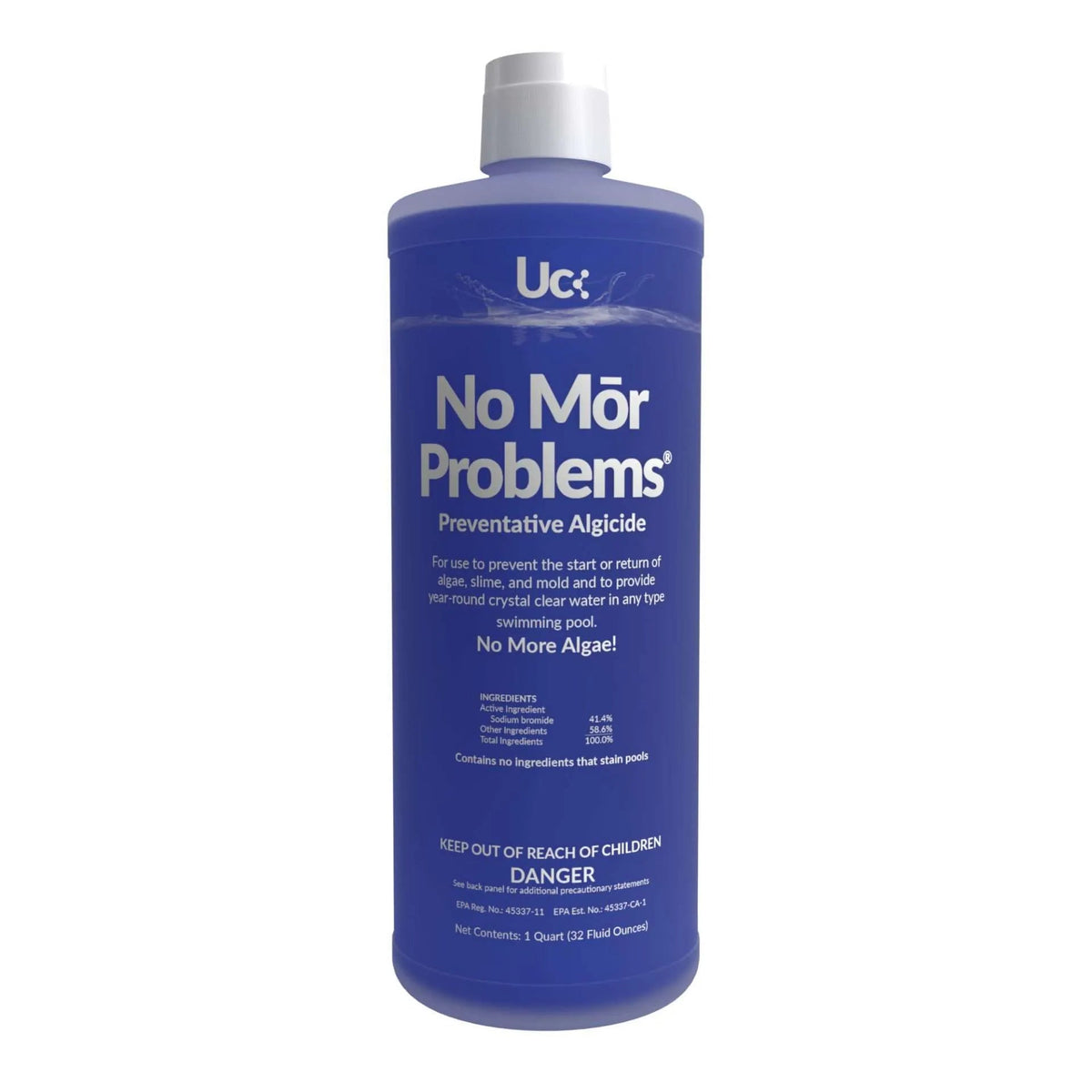
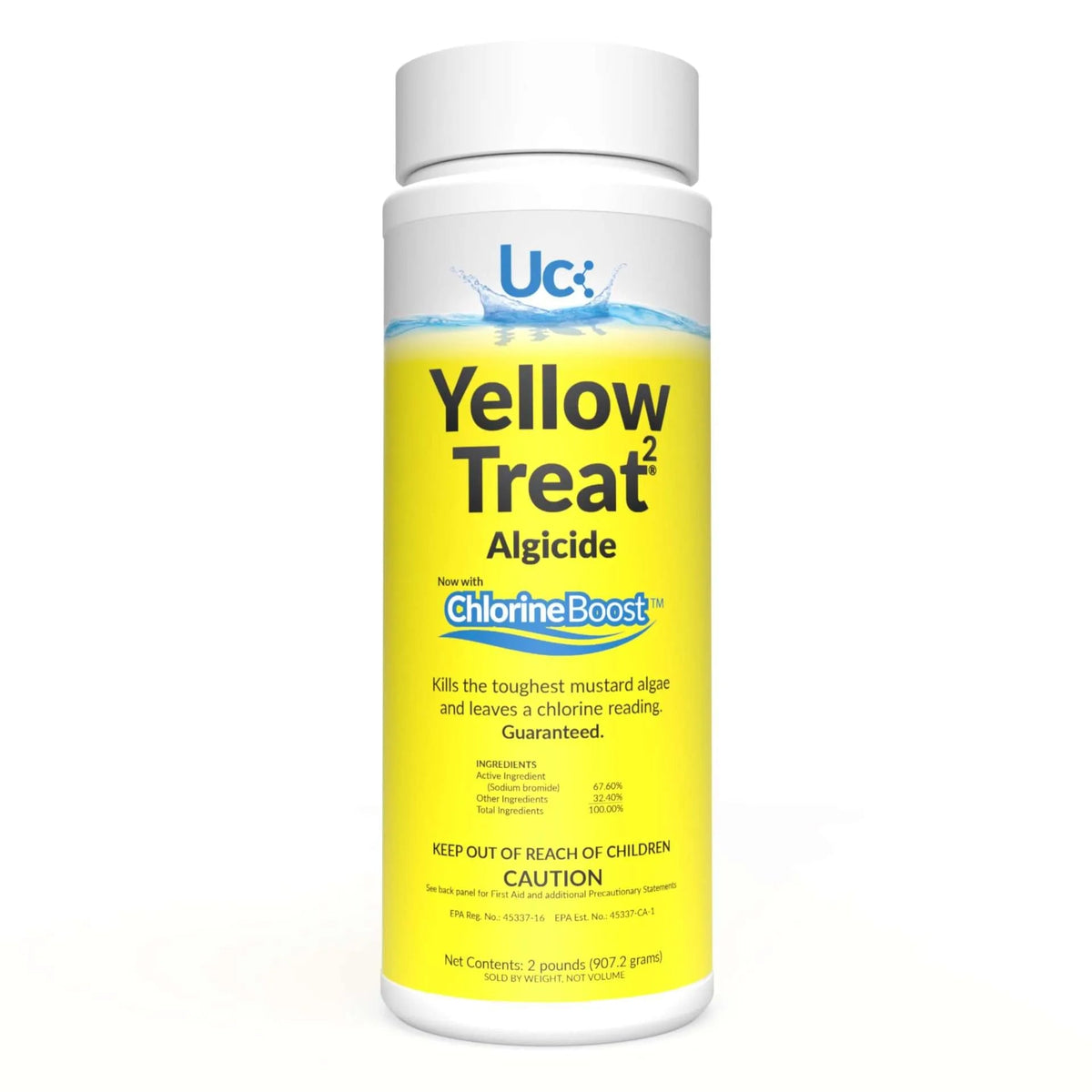
Bypass the Defense: You typically need specialized algaecides (often containing sodium bromide or copper) that function as metabolic inhibitors or alternate oxidizers. These bypass the catalase enzyme defense that stops chlorine.
- Treat the “Safe House”: You must physically remove lights and scrub behind ladders. Remember, this algae hates light; if you don’t treat the shadows, you haven’t treated the problem.
Decontaminate Everything: Treating the water is not enough. You must wash all swimsuits and wipe down all toys and equipment with a chlorine solution. If it goes in the pool, it needs to be sanitized.